
DSM-5
The DSM-5 (Diagnostic and Statistical Manual of Mental Disorders, Fifth Edition) is the standard reference book published by the American Psychiatric Association used by mental health and medical professionals in the United States to diagnose and classify mental and behavioral health conditions.
Avoidant/Restrictive Food Intake Disorder (ARFID) was introduced in the DSM-5 in 2013. This diagnosis was developed to address specific eating behaviors that were not adequately covered by previous classifications, particularly the feeding disorder of infancy or early childhood from earlier editions.
According to the DSM-5, ARFID is diagnosed when:
An eating or feeding disturbance (e.g., apparent lack of interest in eating or food; avoidance based on the sensory characteristics of food; concern about aversive consequences of eating) as manifested by persistent failure to meet appropriate nutritional and/or energy needs associated with one (or more) of the following:
Significant weight loss (or failure to achieve expected weight gain or faltering growth in children).
Significant nutritional deficiency.
Dependence on enteral feeding or oral nutritional supplements.
Marked interference with psychosocial functioning.
The disturbance is not better explained by lack of available food or by an associated culturally sanctioned practice.
The eating disturbance does not occur exclusively during the course of anorexia nervosa or bulimia nervosa, and there is no evidence of a disturbance in the way in which one’s body weight or shape is experienced.
The eating disturbance is not attributable to a concurrent medical condition or not better explained by another mental disorder. When the eating disturbance occurs in the context of another condition or disorder, the severity of the eating disturbance exceeds that routinely associated with the condition or disorder and warrants additional clinical attention.
Source: American Psychiatric Association. (2013). Diagnostic and statistical manual of mental disorders (5th ed.)
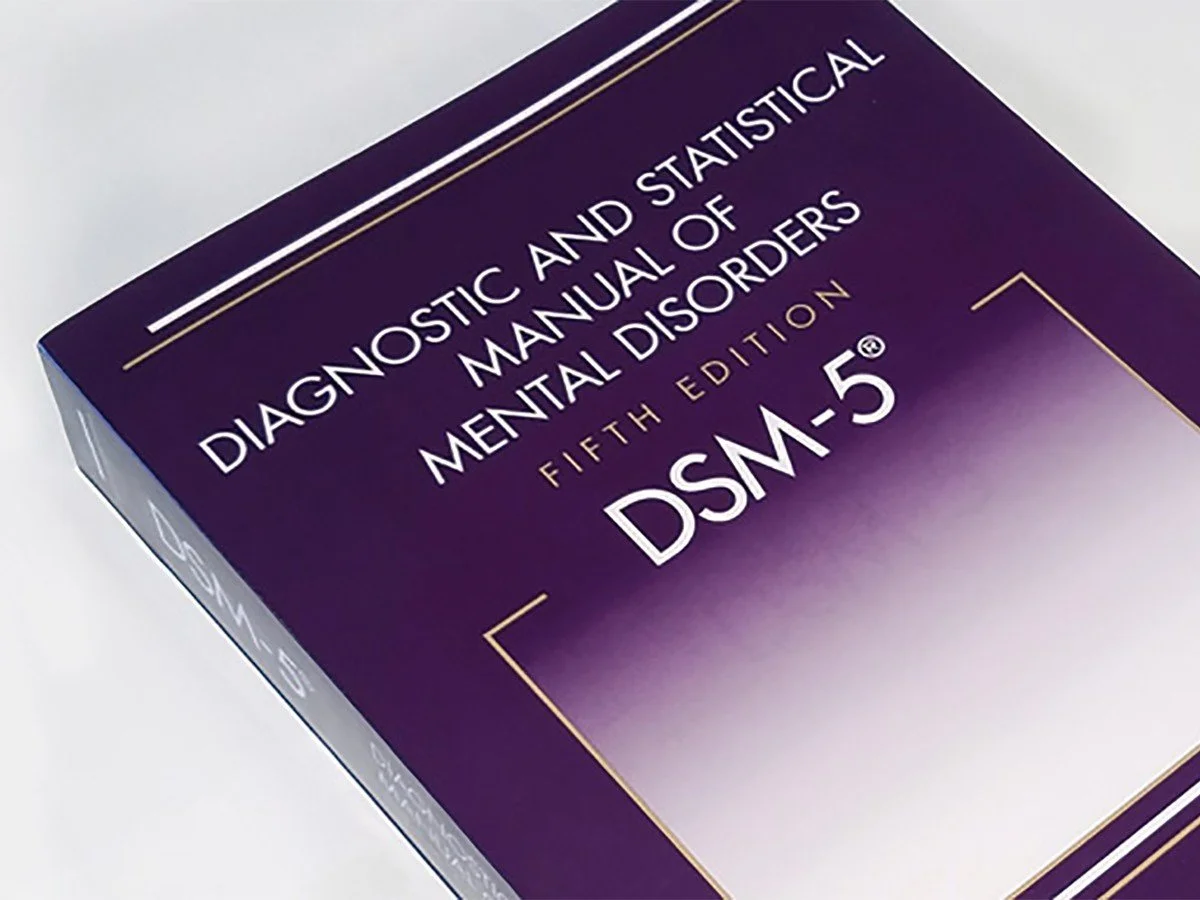
A proliferation of ARFID research has emerged as a substantial focus of research and clinical attention since its introduction in the Diagnostic and Statistical Manual of Mental Disorders—Fifth Edition (DSM-5).
These are medical journal articles and may not be the easiest to read, follow and understand by caregivers of ARFID . We are compiling them here in one central location for anyone who is interested in a deep dive into what the latest research shows.
This section is a work in progress. We will be working on making it more complete.
ARFID Medical Journals and Research
Research Papers

Conceptualizing ARFID via an Executive Functioning Lens (2024)
Neural Correlates of Children with ARFID Symptoms (published online 2024)
Neural Response to Food Cues Following CBT for ARFID (2026)
Autism, Eating Disorders, and Gut–Brain Axis Mechanisms (2025)
Prevalence and Burden of ARFID Symptoms in Adults in the UK and USA (published online 2025)
Fear, Feeding, and the Gut: Nutrition Support in Adults with ARFID (2026)
Symptom Profiles Influence Accurate Identification of ARFID (2026)
Family vs Individual Treatment for Children with ARFID: A Randomized Clinical Trial (2026)